Plumber Leak Detection Cost: Average Prices in 2026
A plumbing leak often shows up as a damp spot, a musty smell, or a water bill that suddenly looks off.
When that happens, most people ask the same question: how much does plumber leak detection cost?
The short answer is that water leak detection cost depends on where the leak is and how hard it is to find.
Some jobs take minutes. Others require special tools and more time.
In this guide, we’ll break down what you can expect to pay, what affects the price, and how to avoid paying for repeated leak detection in the future.
TL;DR
Plumber leak detection cost averages $175 to $350 for most residential jobs.
Hidden leaks under slabs or walls can push detection costs past $1,000.
Leak detection finds the source; repairs add separate labor and material costs.
DrizzleX detects fixture-level leaks early and reduces costly plumber visits.
What Is Plumbing Leak Detection?
Plumbing leak detection is how plumbers find hidden water leaks inside a plumbing system. Many leaks form behind walls, under floors, or beneath a concrete slab. You won’t spot them during a quick visual check.
Even a small leak in a water pipe can waste hundreds of gallons. Left alone, it can also lead to mold growth or structural damage.
A leak detection service focuses on finding the exact source before any repair work starts. Plumbers use tools such as acoustic sensors, electronic leak detectors, and thermal imaging cameras.
These tools track changes in water flow and pressure without opening up large areas.
Leak detection applies to slab leaks, roof leaks, leaking pipes, and underground plumbing. The method used depends on where the leak is and how hard it is to reach.
That’s why water leak detection costs vary from one situation to another.
How Much Does Plumber Leak Detection Cost?
On average, a plumber's leak detection cost falls between $175 and $350. Simple jobs with easy access may run closer to $75 to $150.
More complex cases can reach $1,000 or more when leaks hide under concrete slabs, behind thick walls, or deep in underground plumbing.
Jobs that require advanced tools or longer on-site work usually carry a higher price tag.
It’s also common for plumbers to charge a flat diagnostic fee for leak detection. That fee may be billed separately or applied toward the repair.
What Affects Plumber Leak Detection Cost?
Plumber leak detection cost varies based on a few clear factors. Knowing what affects pricing helps you understand quotes and decide what level of service you need.
Here are the main factors that influence the price of water leak detection:
Leak’s location: Leaks behind walls, under floors, or beneath a concrete foundation take longer to find. Slab leak detection and underground pipes often increase the total cost.
Access difficulty: Easy access keeps costs lower. When plumbers need to cut small holes or work in tight areas, labor time goes up.
Type of leak: A single small leak costs less to locate than multiple leaks or severe leaks that affect several pipes.
Detection methods used: Visual inspection costs less. Acoustic leak detection and other specialized tools cost more, but help identify leaks faster.
Time and labor: Some plumbers charge an hourly rate, while others use a flat rate. The longer it takes to find the leak, the higher the total cost.
Equipment required: Professional leak detection services use specialized equipment. That adds to the price, but it often reduces damage and repeat visits.
These factors explain why leak detection costs vary and why professional services are often worth hiring.
Plumber Leak Detection Cost by Leak Location
Leak location affects how plumbers price detection service. Some areas allow quicker testing. Others require more time to pinpoint the problem to a specific location.
Under-Slab Leak Detection Cost
Under-slab leaks tend to cause the most concern. You might notice warm floors, damp areas, or steady water use with no clear source.
Before anyone touches the concrete, the plumber has to narrow the problem down to a very small area. That detection work usually costs $100 to $700.
The detection itself is often the easy part. Slab leak repair cost climbs once it includes concrete removal or pipe rerouting.
Basement Leak Detection Cost
Basement leaks often involve drain lines, foundation joints, or pipes near a water heater. Some leaks stay contained in one area, while others send moisture across walls or floors.
Detection typically costs $100 to $2,500, based on how much testing is needed to trace the source.
Ceiling and Wall Leak Detection Cost
Ceiling and wall leaks often appear far from the failed pipe. Water often travels before it leaves a stain or drip. Plumbers follow that trail back to the source, which can take time.
Detection typically costs $100 to $1,000. The price tends to climb when plumbers need to open drywall to confirm the source of the leak.
Sewer Line Leak Detection Cost
Sewer leaks usually affect longer pipe sections. Plumbers inspect the line to find where the issue begins and ends before talking about repairs.
Detection commonly costs $150 to $600, depending on pipe length and inspection time.
Roof Leak Detection Cost
Roof leaks often start near flashing or vents. Some are obvious after a quick look. Others need closer inspection to confirm where water enters.
Detection usually costs $150 to $300, with higher pricing when materials should be removed to verify the source.
Professional Leak Detection Methods and Pricing
Once plumbers narrow down where the issue may be, the next step is choosing the right way to find the leak. The method used depends on the type of plumbing involved and how hidden the problem is.
Each option comes with its own price range.
Smoke testing: Smoke testing helps find breaks in the drain and sewer lines. Plumbers push smoke through the system and watch where it escapes. This method usually costs around $250 to $300.
Video camera inspection: Cameras help plumbers see inside pipes without cutting into surfaces. This method helps confirm the exact location of a problem and typically costs $150 to $500, depending on how long the inspection takes.
Pressure testing: Pressure testing checks water lines for pressure loss. A drop confirms a leak exists, but it doesn’t always show the precise spot. Costs often fall between $250 and $500.
Acoustic leak detection: Acoustic tools listen for the sound of water escaping from a pipe. Plumbers use this method to narrow down hidden leaks under floors or concrete. Pricing often ranges from $100 to $800.
Each method adds to the total service cost, but it also helps plumbers work faster and reduces damage during repairs.
Additional Costs That Can Increase Your Plumbing Bill
Leak detection and repair costs don’t always stop with the initial service. Several add-on charges can increase your final plumbing bill, depending on the situation and the leak issues involved.
One common add-on is site restoration. When plumbers open drywall, flooring, or concrete to complete repairs, patching and cosmetic work often fall outside the plumbing quote.
Drywall repair, paint, tile replacement, or flooring fixes usually involve separate contractors and added expense.
Water damage cleanup can also increase costs. When leaks cause standing water or saturation, drying equipment or remediation services may be needed before repairs finish.
These services are billed separately from plumbing work.
Permits and inspections may apply for larger repairs that involve rerouting pipes or replacing sections of a system. Permit fees typically range from $50 to $500, depending on local requirements.
Emergency or after-hours service is another factor. Calls made at night, on weekends, or during holidays often include surcharges of $100 to $300.
These costs don’t apply to every job, but asking about them early gives you a better idea of the full expense before work begins.
How to Reduce Plumber Leak Detection Costs
Reducing plumber leak detection costs comes down to acting early. Leaks that continue unchecked often soak into walls, floors, or concrete, which makes them harder and more expensive to locate.
Watching for sudden changes in your water bill or pressure helps you spot problems sooner. These signs often appear before visible damage does.
Routine plumbing checkups also help catch worn toilet parts or slow drips before they turn into hidden leaks. Fixing these plumbing issues early shortens detection time later.
Smart water technology, like leak detectors, adds another layer of protection. Systems that track water use and send alerts point plumbers to the exact fixture involved.
Don’t put off repairs once a leak is found. Delays allow water to spread and complicate detection. Quick action keeps the process simpler and helps keep plumbing bills affordable.
Prevent Expensive Leak Repairs With Early Detection From DrizzleX
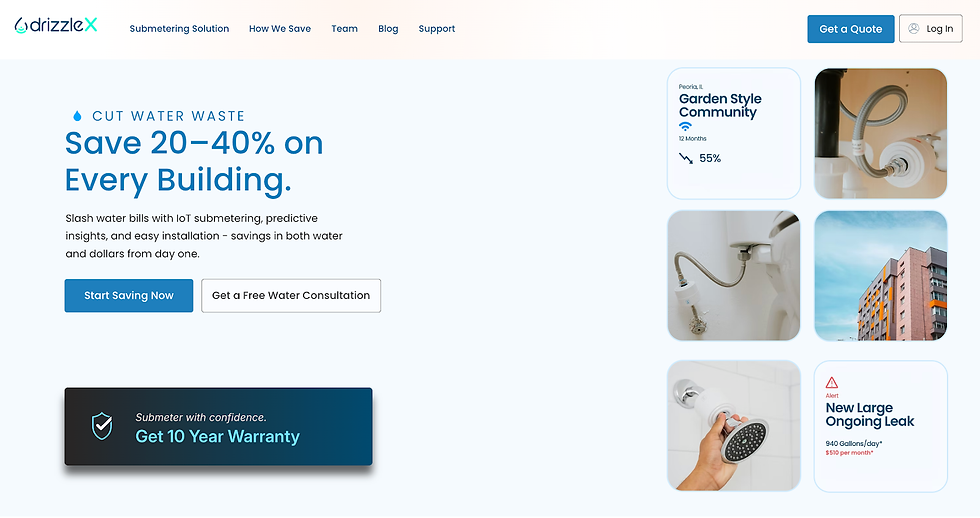
DrizzleX reduces plumbing leak detection costs by spotting leaks earlier.
Instead of waiting for damage or unexplained water bills, the system tracks water use at each fixture and flags problems before they escalate.
Catch Leaks Early With Fixture Level Monitoring
DrizzleX installs micrometers on sinks, showers, toilets, and appliances. These smart water meters track hot and cold water flow and send data to the DrizzleX platform.
This makes it easier to catch issues like running toilets or dripping faucets before they waste water for hours or days. When the source is clear, plumbers finish the job faster.
Get Alerts With Useful Details
When water use looks unusual, DrizzleX sends email alerts with specific information. You’ll see the unit, the fixture involved, how many gallons were wasted, and the estimated cost.
Maintenance teams don’t need to test multiple lines or open walls to find the problem. They know exactly where to start.
Lower Bills and See Proven Results
Water leak detection cost depends on how quickly issues are addressed. Properties using DrizzleX often reduce water bills by 20-40%, and many recover the system cost in about 9 months.
The system works with older plumbing and riser layouts, and installation usually takes under 15 minutes per unit.

At a 42-unit apartment complex in Kansas City, MO, DrizzleX was installed on toilets only. Within 12 months, water use dropped 23%, saving $28,045 at a local rate of $16.26 per HCF.
FAQs About Plumber Leak Detection Cost
How do plumbers detect leaks?
Plumbers follow a detection process that focuses on locating the source without opening large areas. They may use pressure tests, acoustic tools, or cameras, depending on where the leak appears.
The method used varies depending on the type of leak and how hidden it is.
How much does it cost for a plumber to find and fix a leak?
Plumber leak detection cost usually falls between $175 and $350. Repair costs vary depending on access, materials, and the type of repair needed.
Simple fixes cost far less than repairs tied to extensive damage behind walls or under concrete.
Does home insurance cover leak detection?
Home insurance usually doesn’t cover the cost to locate a leak. Many policies do cover the damage caused by a sudden leak and the cost to open walls or floors to reach it.
Coverage depends on the policy and how the leak happened.
Are water leak detectors worth the cost?
Water leak detectors are worth the cost for many properties. They help catch leaks early, before damage spreads. That early notice often lowers repair bills and shortens plumber visits.


