How to Reduce Water Waste From Tenants
Landlords and property owners do more than just manage buildings. They also influence how resources like water are used every day.
Water is one of the world’s most valuable resources, and using it wisely helps everyone.
Saving water isn’t only about lowering a water bill. It also helps protect drinking water and reduce water waste.
That’s why landlords need to stay aware of how water is used throughout their buildings. In this article, you’ll learn how to reduce water waste and encourage tenants to do the same.
TL;DR
Reduce water waste by fixing leaks, upgrading inefficient fixtures, and tracking water use across your property.
Set clear tenant rules so leaks and unusual water use get reported right away.
Schedule regular inspections to catch hidden leaks before they cause water damage.
Share simple daily habits that help tenants use less water without changing routines.
Use DrizzleX to track water use in real time, detect leaks early, and cut water bills by up to 40%.
Why It's Important to Conserve Water
First, let’s talk about why lowering your water usage matters. In rental properties, daily habits inside the house affect costs, water availability, and long-term upkeep more than many owners realize.
Economic Benefits
Saving water also helps cut operational costs. It’s not just about paying less for water. Using less means less strain on pipes and plumbing systems, which leads to fewer repairs and replacements.
Plus, buildings that use resources wisely, including water, are more appealing to buyers and renters. So, if you make water conservation a priority, your property could become more valuable in the market.
Community Well-Being
Water scarcity affects many regions around the world. According to the Kemira Water Index 2025, most households try only basic methods to save water.
These actions include shutting off the faucet while brushing your teeth and using washing machines and dishwashers only when they’re fully loaded.
Even so, more than one-third of households don’t monitor water usage at home. Smart water monitoring systems help tenants track water use, which helps protect shared drinking water supplies.
Environmental Impact
Wasting water harms rivers, lakes, and supply systems. Lower water levels disrupt habitats that freshwater plants and animals rely on.
Everyday activities such as long baths, frequent flushing, or leaving a hose running add to this strain over time.
Water treatment also consumes energy, especially for hot water used in the bathroom and kitchen.
Using fewer gallons of water lowers demand on treatment facilities and preserves natural water sources.
How to Guide Tenants Towards Lower Water Consumption
So, how can you start using less water across your property? It doesn’t require major changes. There are a few steps you can take to reduce unnecessary water use.
1. Teach Tenants About Water Conservation
The best way to help tenants save water is to educate them. Tenants need to know what counts as a problem. Put water-related rules in the lease or move-in materials.
State exactly what tenants need to report, such as a toilet bowl that refills on its own, a faucet that won’t shut off, or water pooling near a sink.
When tenants understand what to report, leaks don’t sit unnoticed for days or weeks.
2. Schedule Regular Maintenance Checks
Leaks waste a huge amount of water. According to the U.S. Environmental Protection Agency (EPA), property leaks add up to about 1 trillion gallons of wasted water each year.
Many leaks stay hidden without inspection. Older toilets often leak from the tank into the bowl without noise. A worn valve or seal can waste gallons of water each day.
A simple food coloring test helps confirm these leaks. Remove the tank lid, flush the toilet, and let the tank refill. Add five drops of food coloring to the tank water, then wait 20 minutes without flushing.
If color appears in the toilet bowl, the toilet leaks. The dye won’t stain the toilet when used in small amounts, and darker colors make leaks easier to spot.
Maintenance teams should also check plumbing issues in bathrooms, kitchens, and the laundry room to catch slow leaks early.
3. Install Water-Efficient Fixtures
Some fixtures waste water by design. Older toilets use more water per flush, and outdated shower heads release more water than needed.
Low-flow showerheads and faucet aerators reduce water use while maintaining normal water pressure.
These upgrades lower water use every time someone showers or uses the sink, without changing tenant routines.
4. Track Water Use
Water usage data highlights problems that inspections miss. Sudden increases often point to a running toilet, a failed valve, or a hidden leak.
Tracking usage at the property level helps owners locate issues quickly and limit billing disputes. Over time, usage patterns also guide decisions about repairs and fixture upgrades.
Water-Saving Tips to Lower Water Bill
Besides sharing facts and numbers, landlords should provide tenants with simple water-saving tips they can follow daily.
Here are a few ideas:
Turn off the tap: Encourage tenants to turn off the tap while brushing their teeth or washing dishes. Even a short faucet run can waste a considerable amount of water over time.
Run full loads: Dishwashers and washing machines use the same amount of water each cycle. Wait until there are full loads before starting a wash. Energy Star models that recycle water help reduce water use even more.
Use water carefully in the kitchen: Skip long pre-rinse steps when you wash dishes by hand. Rinse vegetables in a bowl instead of under running water. Limit the use of the garbage disposal, which requires more water to work.
Limit outdoor water use: Watering the lawn or running an irrigation system for too long wastes water. Use only what’s needed and shut hoses off right after use.
These daily habits help, but they don’t catch hidden leaks or constant water loss across a property. DrizzleX tracks water use in real time and flags problems before they raise the water bill. Get your free quote now!
Monitor Water Use Across Your Property With DrizzleX
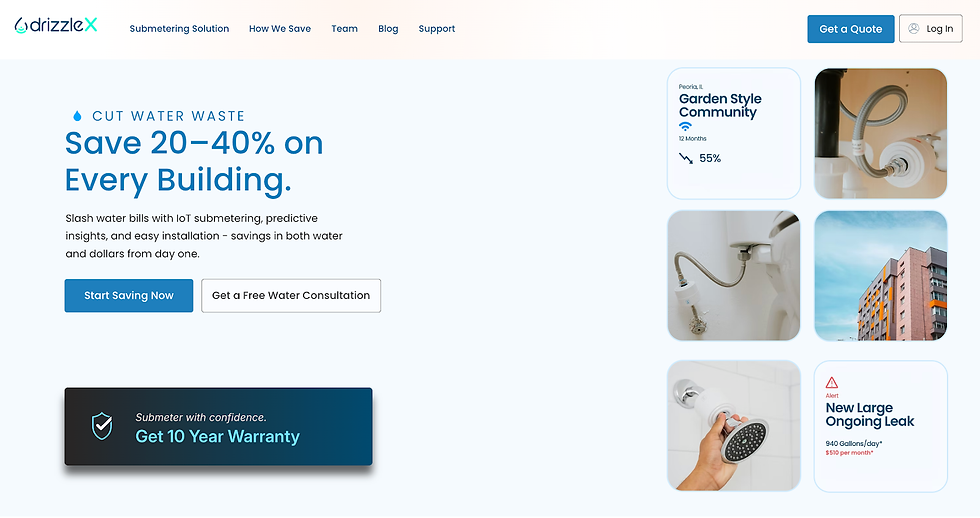
DrizzleX helps you catch hidden leaks such as running toilets and dripping faucets before they waste large amounts of water.
These issues often go unnoticed for a few hours or longer, especially inside toilet tanks or behind walls.
The system uses fixture-level micrometers to track water flow in real time. Each micrometer records hot and cold water use and sends data to the DrizzleX cloud through a building gateway.
Most properties that use DrizzleX reduce water bills by 20–40% or more, and many recover the cost in about nine months.
Get Alerts for High Water Use
Many people don’t realize they waste water. DrizzleX sends alerts so you can share real data with tenants and help them change their habits.
For an average family, even a small change in daily water use can raise monthly costs, which makes early alerts valuable.
Find Leaks Before They Drain Your Budget
Some leaks are easy to spot, but others stay hidden until your water bill skyrockets. DrizzleX detects irregular flow that inspections often miss, including silent leaks that waste gallons of water over a short time.
Each alert shows the fixture involved, the unit location, the gallons lost, and the estimated cost.
Maintenance teams know exactly where to go and what to fix.
Email Notifications With Full Details
When DrizzleX finds a leak, it emails you the details (apartment, fixture, gallons wasted, cost impact) and ways to fix it.
These reports help explain water use to tenants and support conversations around practical ways to conserve water.
Fair and Accurate Billing
DrizzleX replaces estimate-based tenant billing with real usage data. Tenants pay for the water they actually use. This reduces landlord-tenant disputes and encourages more responsible water use.
FAQs About How to Reduce Water Waste
How can we reduce the wastage of water?
Reduce water waste by fixing leaks, using efficient fixtures, and limiting unnecessary water use throughout the day.
Turn off the tap and use refillable bottles instead of plastic bottles to help lower water use at rental units.
What are the easy ten ways to save water?
Short showers help, even when you cut them by a few minutes. Run laundry and dishwashers only with full loads, and report leaks as soon as they appear.
A commercial car wash that recycles water often uses less water than washing a car at home.
Other habits help as well. Rinse produce in a bowl, limit outdoor watering, and shut off water once the task ends.
How to reduce wastewater use?
Use less water indoors to reduce water waste. Avoid excess water to fill containers and lower the volume that enters the drainage system. That eases the load on treatment systems.


